Explore resources created by verified professionals
Find exercises and tools for your own development or to use with clients
Practice Growth
3-minute check-up to see if your marketing is working as hard as you are
A diagnostic tool designed to help mental health and wellness practitioners identify exactly where their business foundation is strong and where it is losing potential clients. Tailored for solo therapists and clinic owners tired of "marketing overwhelm," this audit evaluates your branding, website, and lead flow in minutes. You’ll walk away with total clarity on your practice’s vitals and a clear roadmap to move from digital frustration to a professional, fully-booked practice.
Recently added
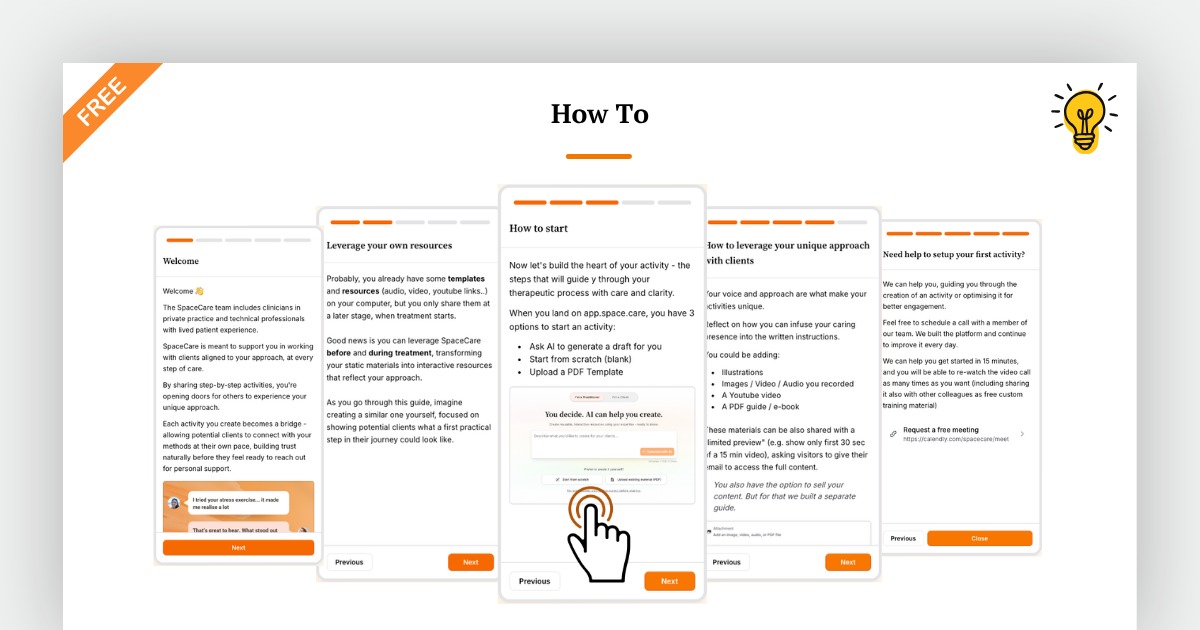
How To: Create Therapeutic Activities on SpaceCare
How to start creating an activity to build meaningful relationships with clients, letting them try your approach anytime, including before booking a session with you.
Recently added
Reusable resources for your practice
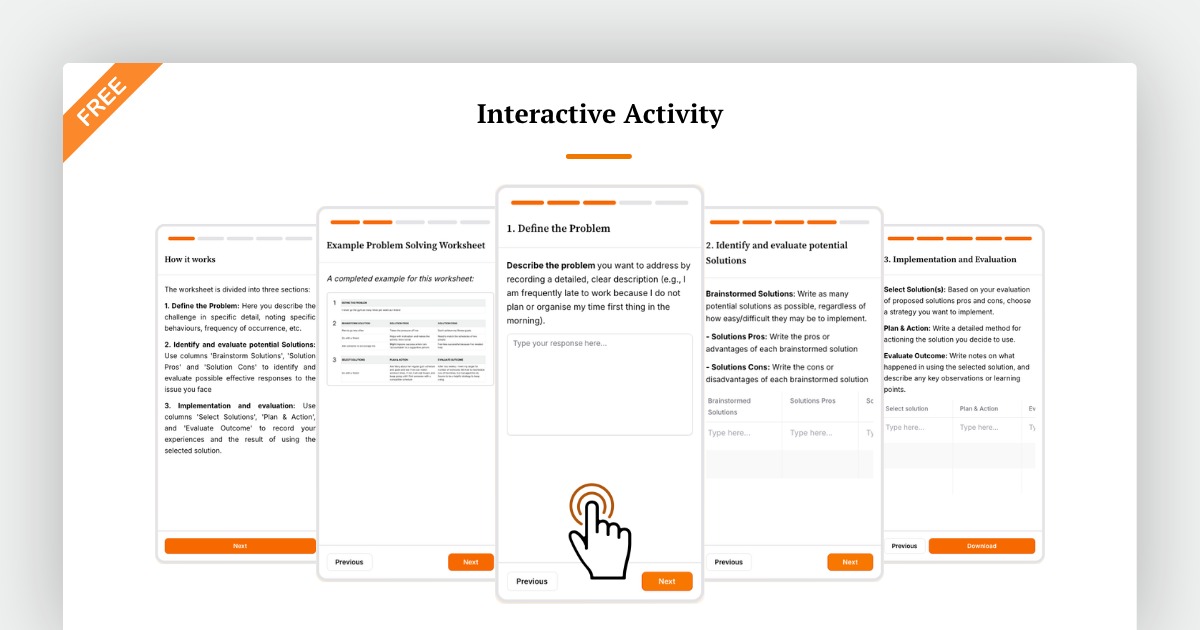
Problem Solving
This Problem Solving Template is a structured worksheet designed to help individuals break down challenges, explore practical solutions, and evaluate outcomes in a systematic way. It guides users through clearly defining a problem, generating and weighing possible responses, and planning and reviewing the effectiveness of the chosen solution. The template supports reflective thinking, informed decision-making, and continuous improvement by turning abstract problems into actionable steps.
Viewed 135 times
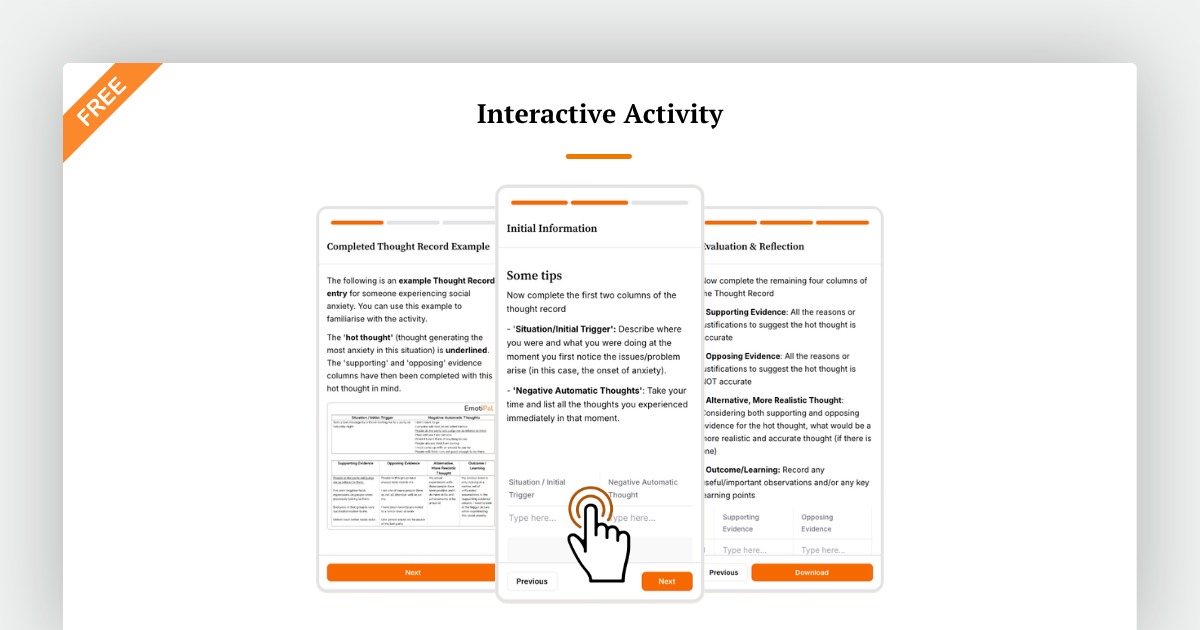
Thought Record
The Thought Record is a structured reflective worksheet commonly used to help individuals identify, examine, and reframe unhelpful or distressing thoughts. By capturing situations, automatic thoughts, emotional responses, and alternative perspectives, it supports cognitive awareness and more balanced thinking. The worksheet can be reused or adapted by other professionals as a core tool within therapeutic, coaching, or wellbeing interventions.
Viewed 75 times
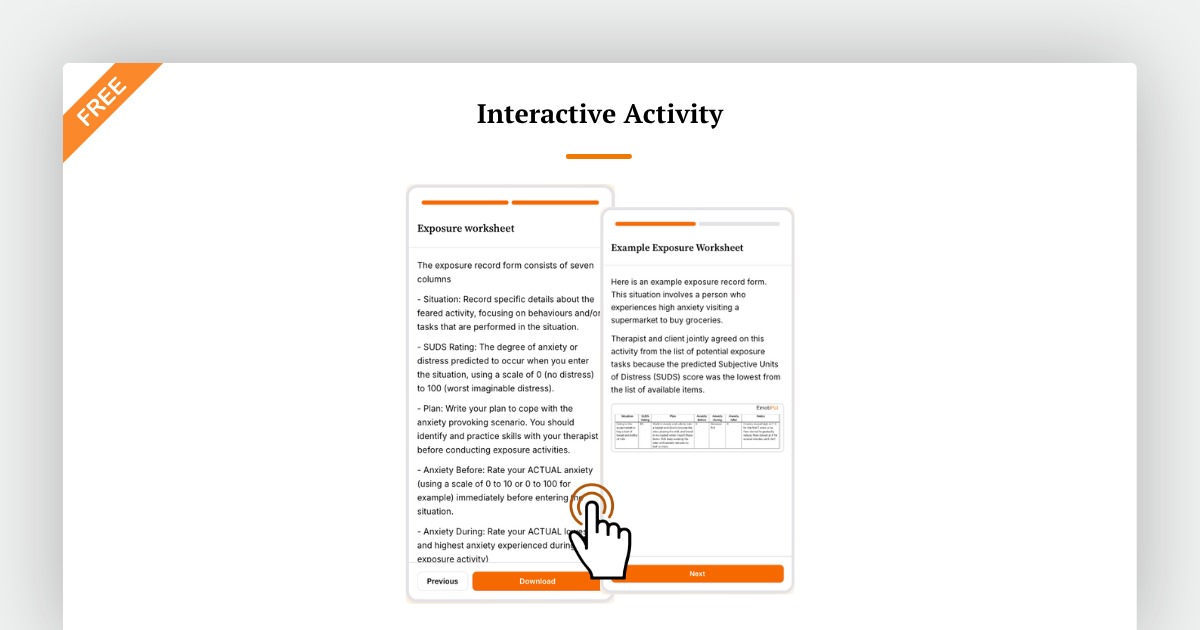
Graded Exposure Record
The Graded Exposure Record is a structured worksheet designed to help individuals gradually face feared situations in a planned and systematic way. By breaking challenges into manageable steps and tracking anxiety levels, actions taken, and outcomes, it supports confidence-building and reduces avoidance over time. The record can be reused or adapted by other professionals as a practical tool within therapeutic, coaching, or behavioural change programs.
Recently added
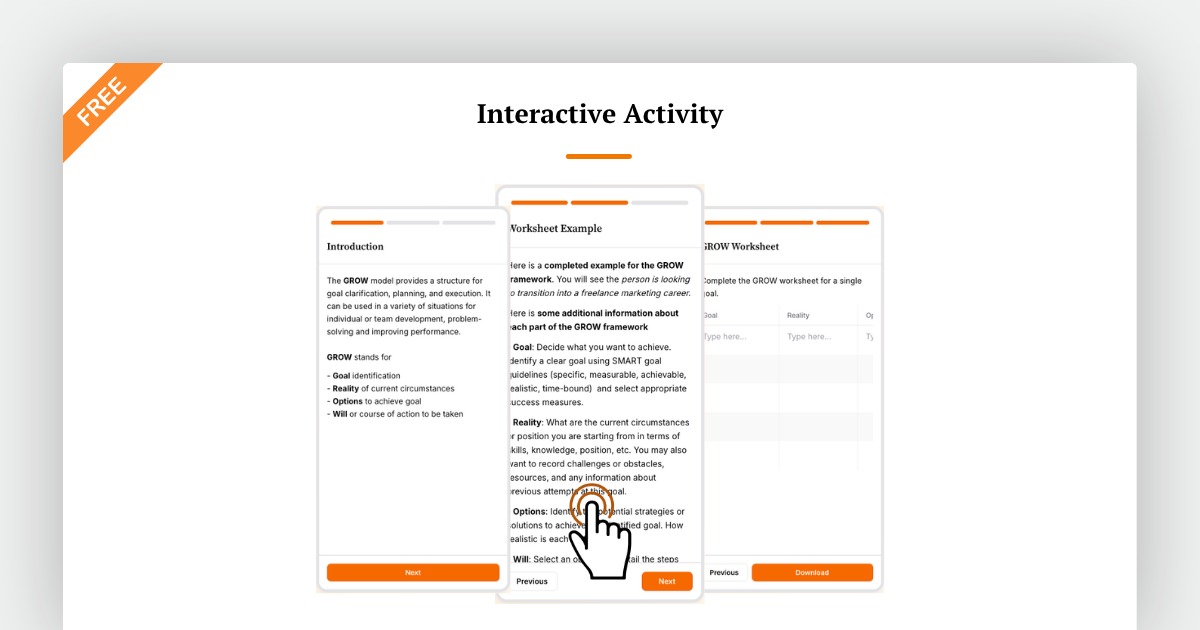
GROW Model Template
The GROW Model Template is a structured coaching and reflective worksheet that helps individuals and professionals clarify goals, understand current reality, explore options, and commit to clear next steps. By guiding users through the four stages - Goal, Reality, Options, and Way Forward - it supports focused conversations, effective decision-making, and measurable progress. The template can be reused or adapted by other professionals as a practical framework for coaching, supervision, or development work across different contexts.
Viewed 64 times
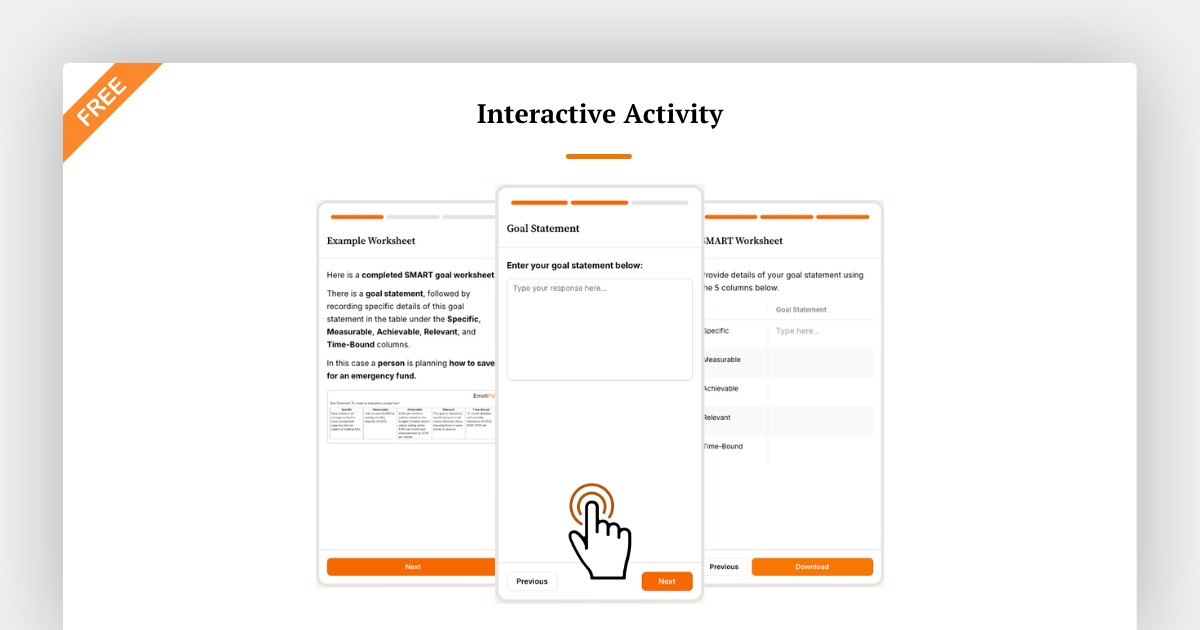
SMART Goal Worksheet
The SMART Goal Worksheet is a practical planning tool that helps individuals define clear, achievable goals by structuring them as Specific, Measurable, Achievable, Relevant, and Time-bound. It supports focus, accountability, and follow-through by turning broad intentions into concrete action plans. The worksheet can be reused or adapted by other professionals as a standardised goal-setting tool across coaching, therapy, education, or organisational settings.
Recently added
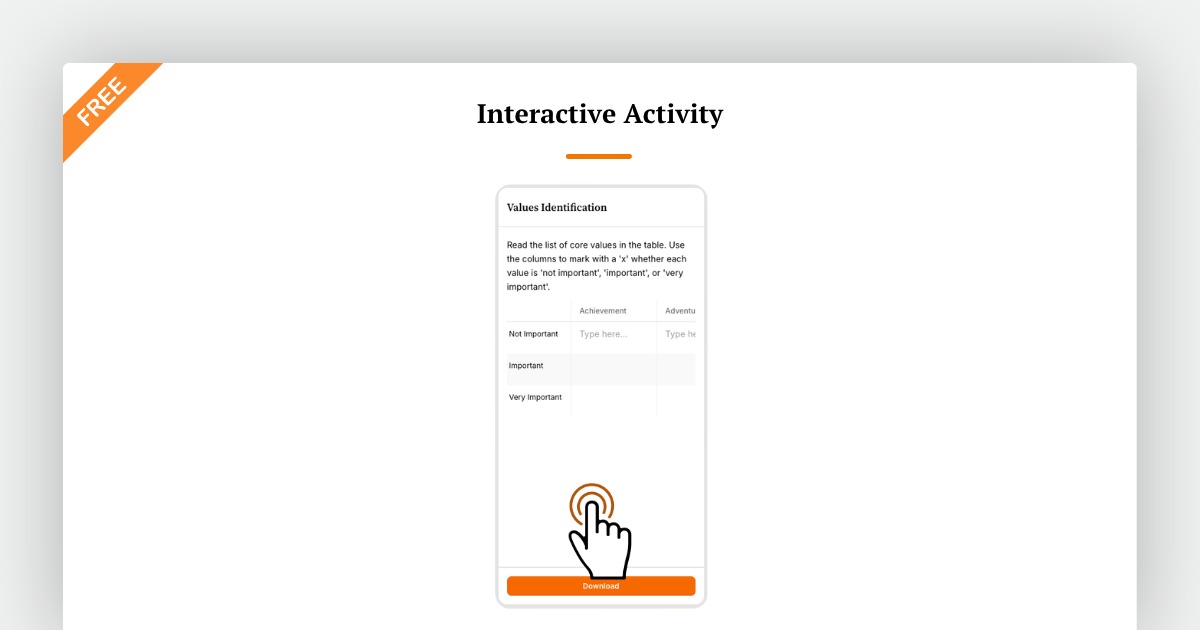
Values Clarification Exercise
The Values Clarification Exercise is a reflective worksheet designed to help individuals identify, prioritise, and articulate the personal values that guide their choices and behaviour. By increasing awareness of what matters most, it supports alignment between values, goals, and everyday actions. The exercise can be reused or adapted by other professionals as a flexible tool within therapeutic, coaching, or personal development contexts.
Recently added
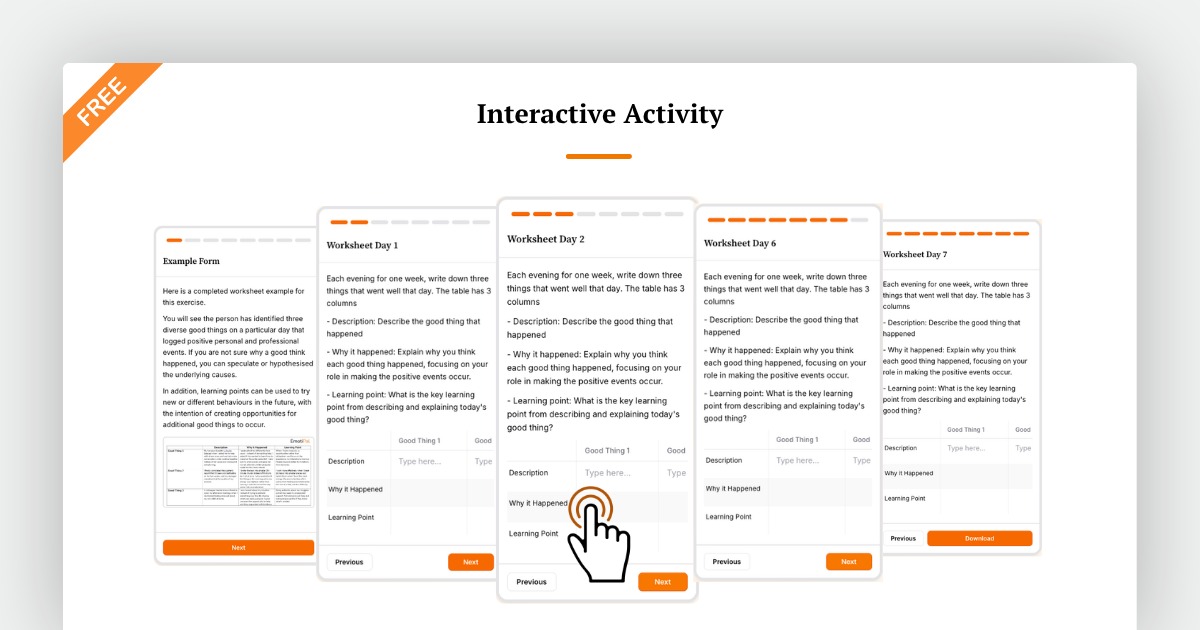
Three Good Things Exercise
The Three Good Things Exercise is a brief reflective practice designed to help individuals build awareness of positive experiences in everyday life. By regularly identifying three things that went well and reflecting on why they happened, the exercise supports gratitude, emotional balance, and resilience. It can be easily reused or adapted by other professionals as a simple, evidence-based activity within therapeutic, coaching, or wellbeing programs.
Recently added
Best Possible Self
The Best Possible Self exercise is a guided reflective activity that helps individuals imagine and describe a future in which they are functioning at their best and important goals have been achieved. By focusing on strengths, aspirations, and meaningful life domains, it supports motivation, optimism, and goal clarity. The exercise can be reused or adapted by other professionals as a positive psychology tool within therapeutic, coaching, or wellbeing settings.
Recently added
Cost Benefit Analysis
The Cost–Benefit Analysis worksheet is a structured decision-making tool that helps individuals systematically weigh the advantages and disadvantages of a particular choice, behaviour, or course of action. By making potential costs and benefits explicit, it supports more informed, balanced decisions and increases commitment to change. The worksheet can be reused or adapted by other professionals as a practical framework within therapeutic, coaching, or behavioural planning contexts.
Recently added
Cognitive Triangle
This activitiy is offered by EmotiPal!
Viewed 52 times
Miracle Question Exercise
This exercise helps you reframe a problem or challenge and identify small actions you can take to start tackling the issue you face.
Recently added
Problem Solving
This activity guides you through a series of steps to help you successfully address a problem or challenge in your professional or personal life.
Recently added
Memory Self-Rating
Help your clients measure your memory with this self rating.
Viewed 50 times
Procrastination Cycle Exercise
This exercise helps you to understand the procrastination cycle by taking a recent example from personal or professional life.
Viewed 67 times
A 3-minute check-up to see if your marketing is working as hard as you are.
The Social B Psych Practice Pulse Check is a diagnostic tool designed to help mental health and wellness practitioners identify exactly where their business foundation is strong and where it is losing potential clients. Tailored for solo therapists and clinic owners tired of "marketing overwhelm," this audit evaluates your branding, website, and lead flow in minutes. You’ll walk away with total clarity on your practice’s vitals and a clear roadmap to move from digital frustration to a professional, fully-booked practice.
Recently added
Stress Bucket - Interactive + PDF
The Stress Bucket is a simple model to help clients understand how stress builds up and how it can be managed. Clients can complete a simple step-by-step activity at their own pace, with a PDF available to download and revisit. You can reuse it across sessions to support reflection, track patterns, and extend the work beyond the session.
Viewed 62 times
Stress Bucket - PDF only
The Stress Bucket is a simple model to help clients understand how stress builds up and how it can be managed. This downloadable PDF gives you a clear, structured way to explain the concept and share it with clients to revisit in their own time.
Recently added
Introduzione al Corso di perfezionamento in neuropsicologia dei disturbi neurocognitivi minori e maggiori
Presentazione offerta formativa ECM e NoECM del Corso di perfezionamento in neuropsicologia dei disturbi neurocognitivi minori e maggiori diretto dal prof. Carlo Blundo.
Viewed 1537 times
Corso ECM - Lezione 2-3-4-5
Breve introduzione alle Lezioni 2, 3, 4 e 5 del Corso ECM di perfezionamento in neuropsicologia dei disturbi neurocognitivi minori e maggiori
Recently added
The DASS-21 Questionnaire
The DASS-21 helps measure the emotional states of depression, anxiety, and stress over the past week. It is a shorter version of the original 42-item scale. Each subscale contains 7 items, and responses are rated on a 4-point scale from 0 (did not apply to me at all) to 3 (applied to me very much or most of the time). Reference: Lovibond, S.H. & Lovibond, P.F. (1995). Manual for the Depression Anxiety & Stress Scales. (2nd Ed.)Sydney: Psychology Foundation.
Recently added

Memory Self-Rating Scale
This questionnaire seeks an adult client's rating of their everyday memory. If used repeatedly, it can monitor the effects of a cognitive intervention. The label generated from the responses reflects the client's overall impression.
Recently added

Memory Strategies Checklist
Find out which memory strategies a client is currently using. An overall score is calculated by totalling responses from each item based on the following scores: 0=never in the past month; 1=a few times in the past month; 2=a few times per week; 3=Almost every day; 4=At least once a day. All 40 questions must be completed before submission can occur. This questionnaire can be employed before and after a memory intervention to help assess outcome. MEMORehab is one such intervention.
Recently added
DASS-21
This questionnaire (Depression, Anxiety and Stress Scale) can be used to ascertain current mood states. Response scores will be multiplied by 2 to provide a score corresponding to that obtained by twice as many items on the original DASS. A descriptive label will be generated for each mood state for the clinician, but not for the client. Clients must complete all items before submitting.
Recently added